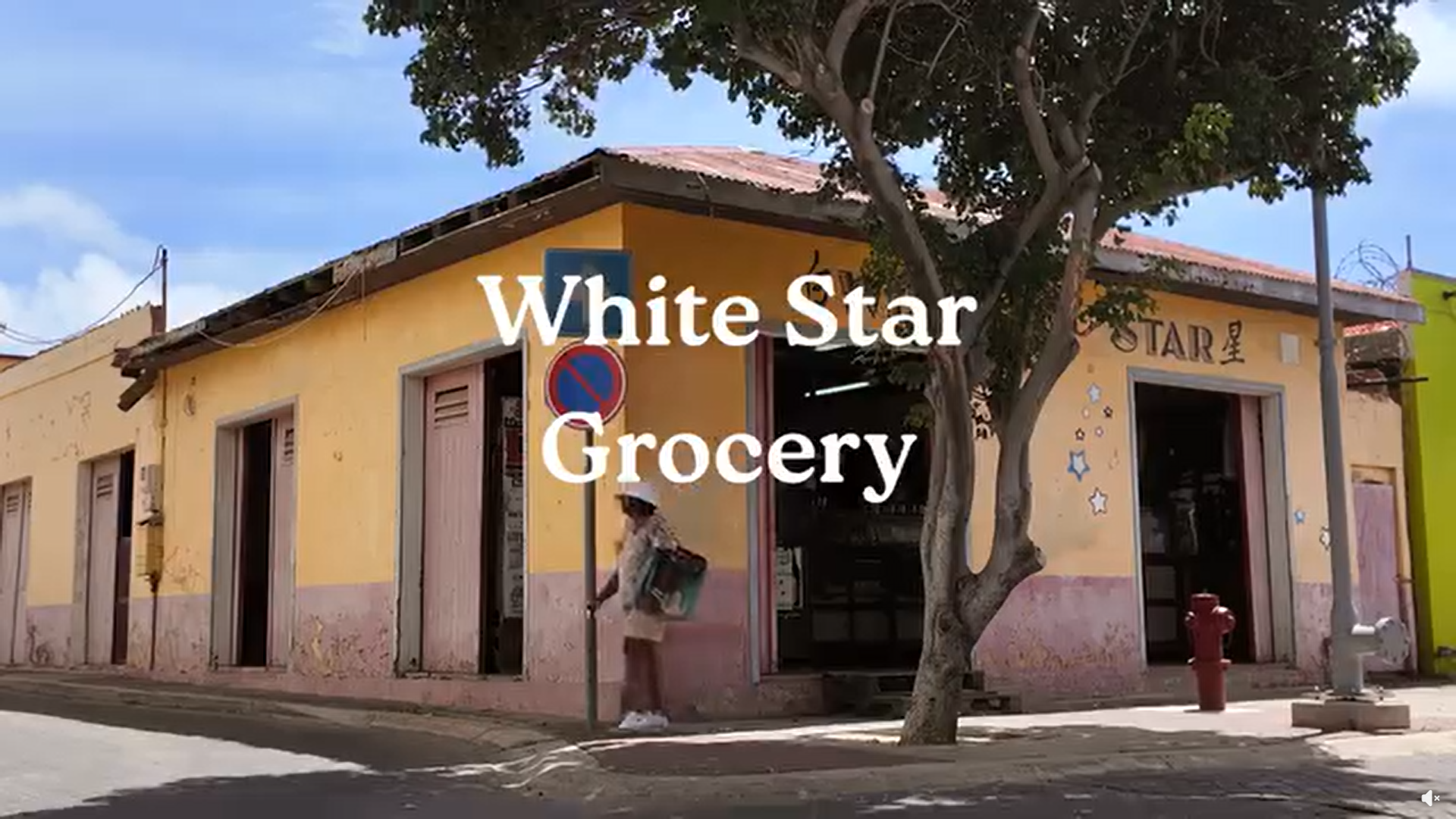
Mini-series · filmAriadne WeverLegado di Famia
A winning submission to the Where Culture Lives Artist Prize. For the full work and description, visit www.wcla.com.
Watch the work →Aruba presents a relatively broad exposure through music, dance, theater, visual arts and handcraft within the school setting. Heritage preservation and community engagement are among the leading secondary motivations for arts and cultural practice on Aruba.
Each piece offers its own reflection to the question 'Where does culture live?' The works offered an impression of cultural life, highlighting everyday practices, identity, memory and different forms of expression.
A winning submission to the Where Culture Lives Artist Prize. For the full work and description, visit www.wcla.com.
Watch the work →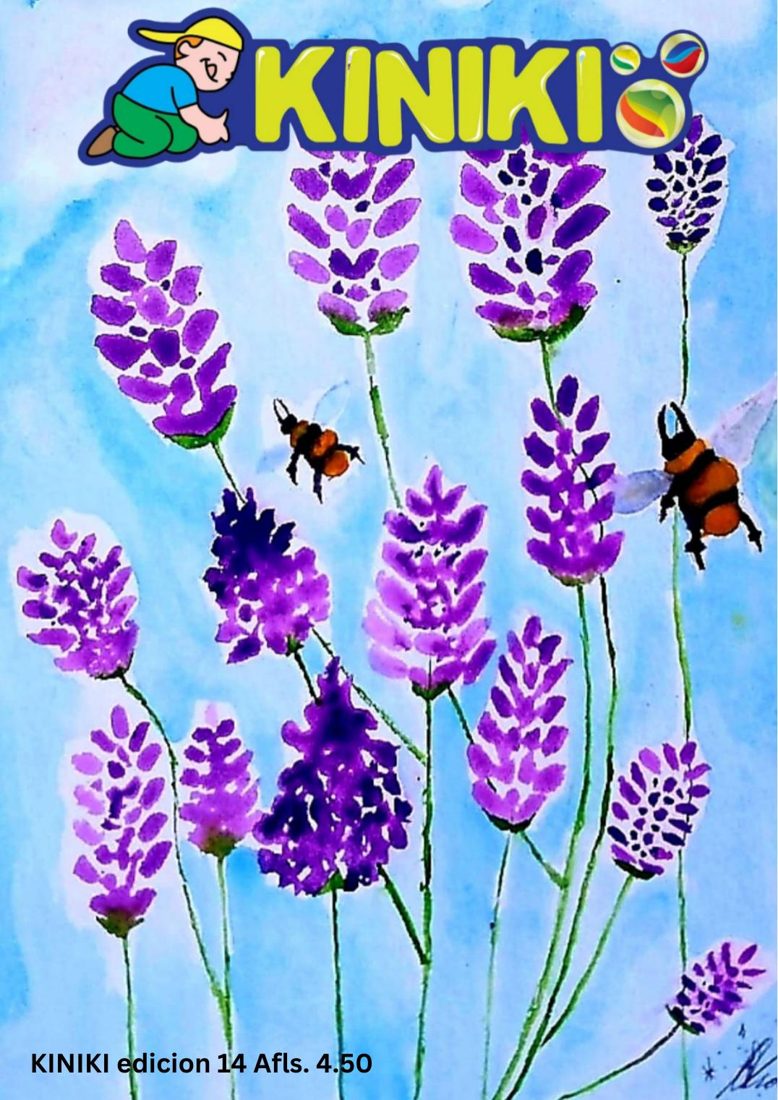
A winning submission to the Where Culture Lives Artist Prize. For the full work and description, visit www.wcla.com.
Watch the work →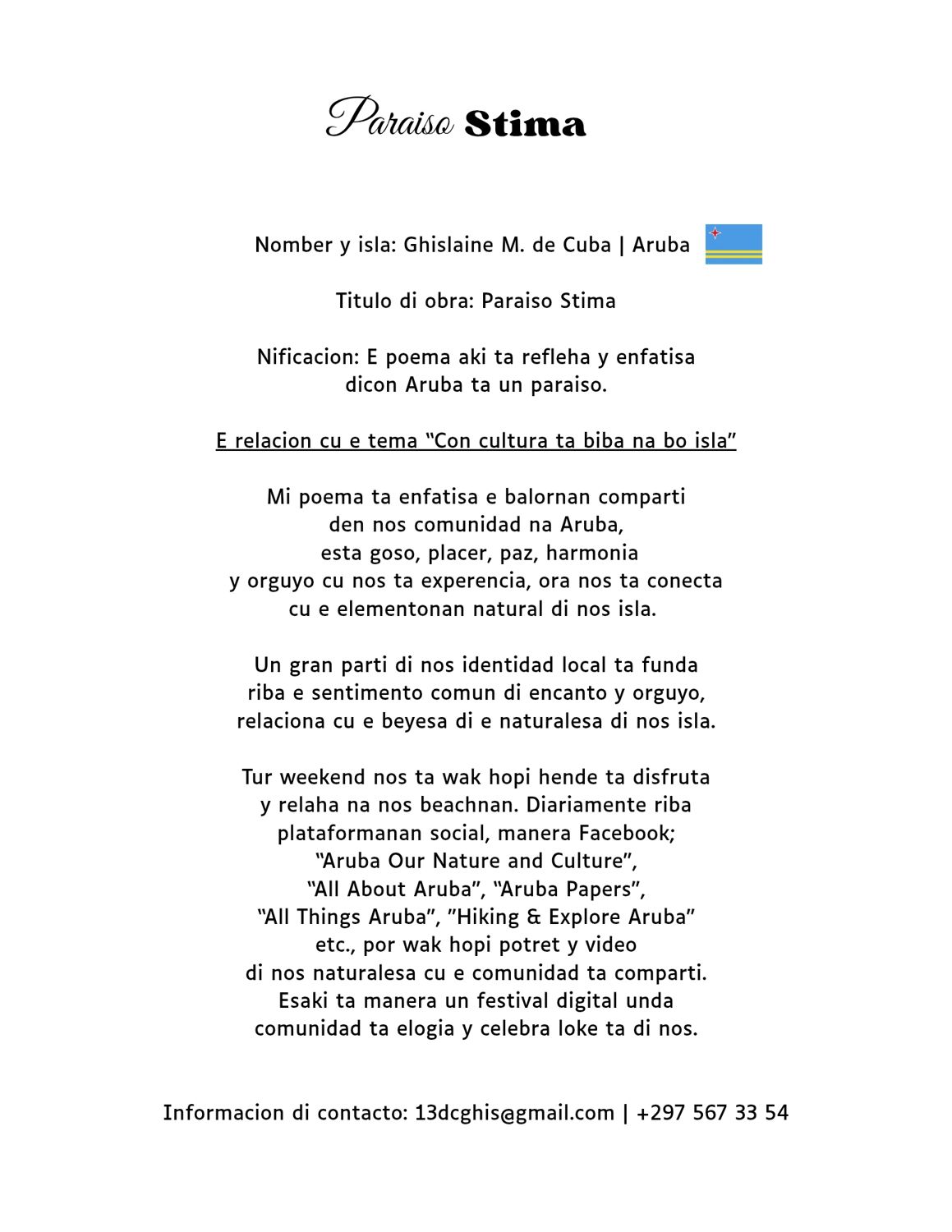
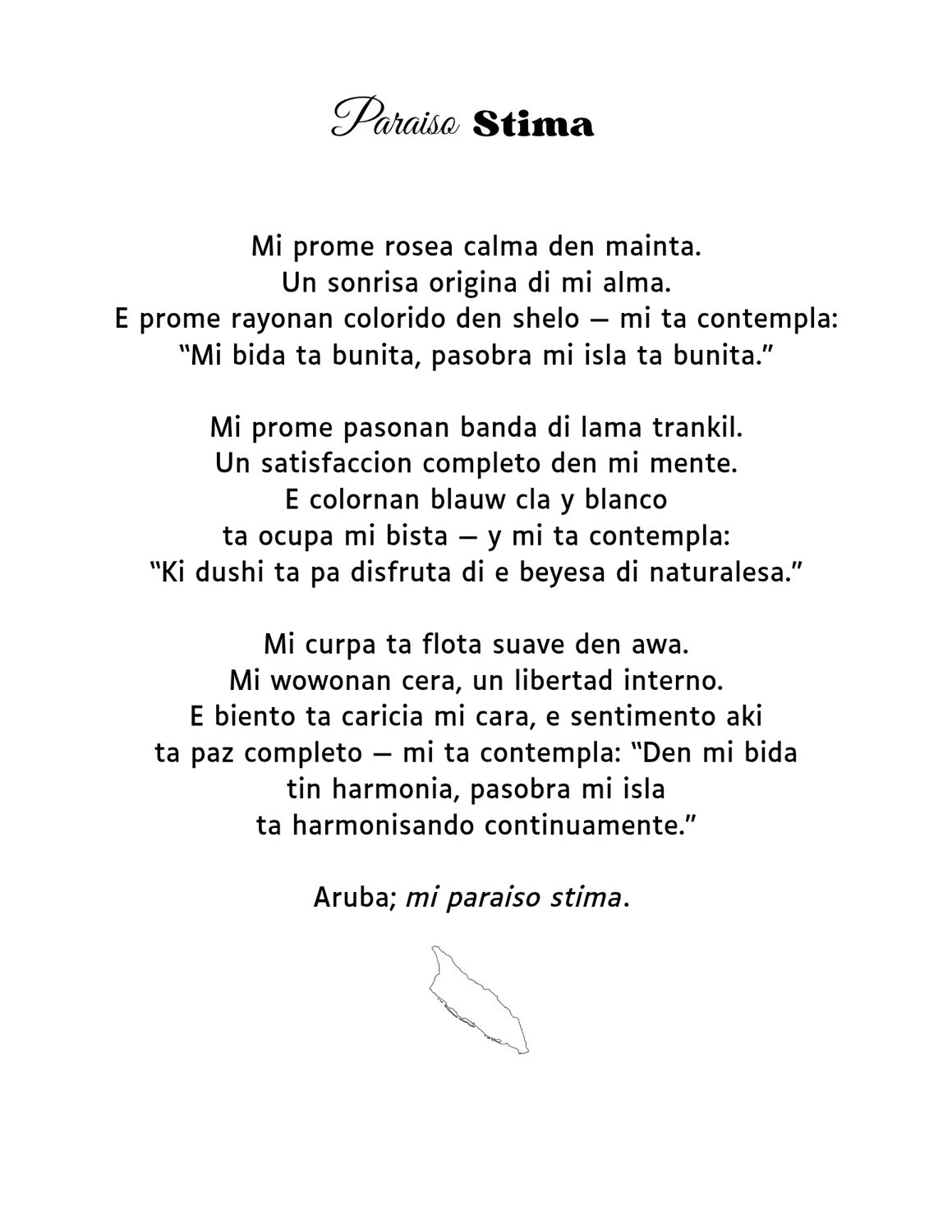
A winning submission to the Where Culture Lives Artist Prize. For the full work and description, visit www.wcla.com.
Watch the work →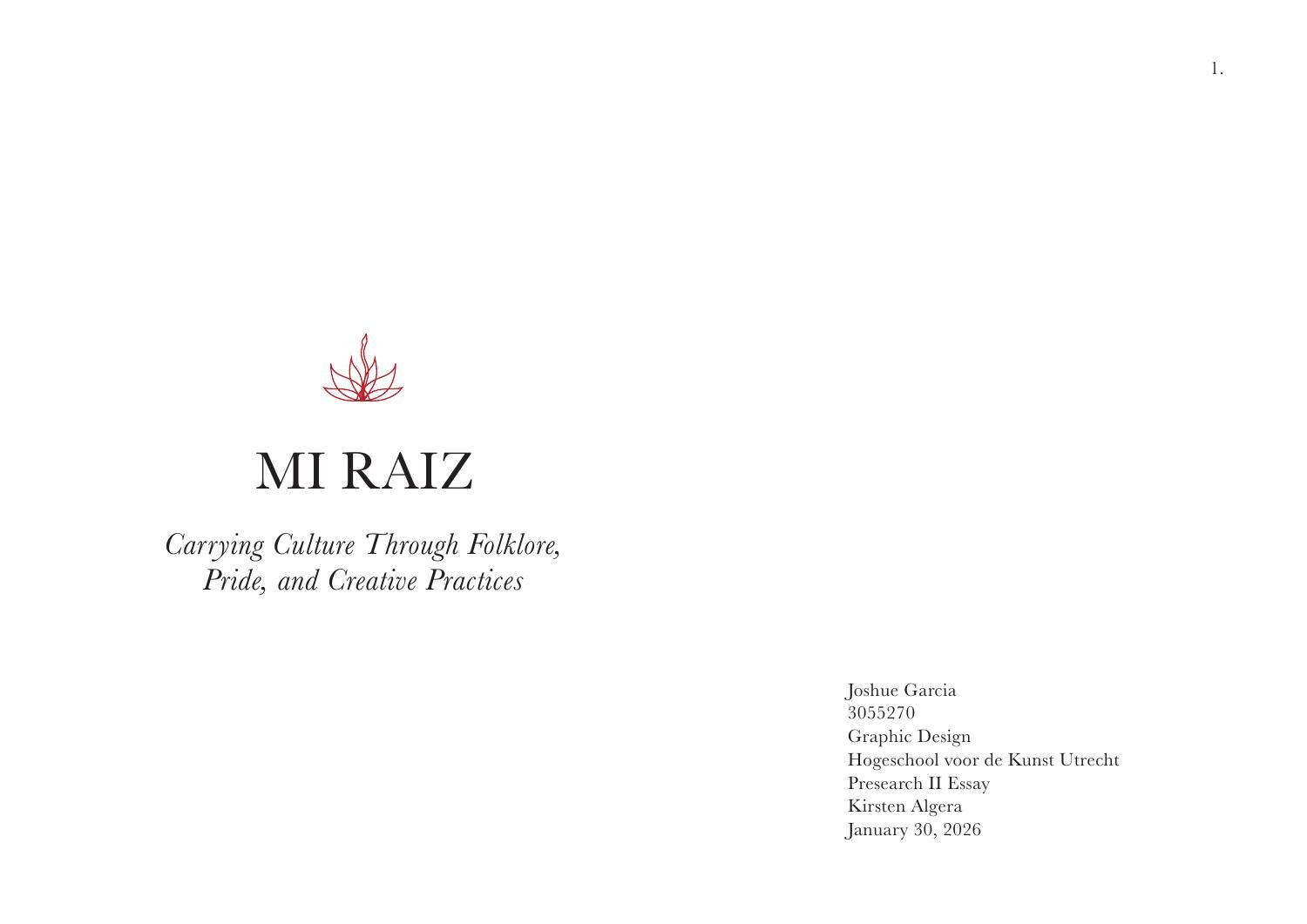
A visual essay on how Aruban and Caribbean folklore shapes identity, pride and creative practice across generations.
Watch the work →
A child in deep nocturnal blue beside a handmade doll — painting and textile turning childhood memory into landscape.
Watch the work →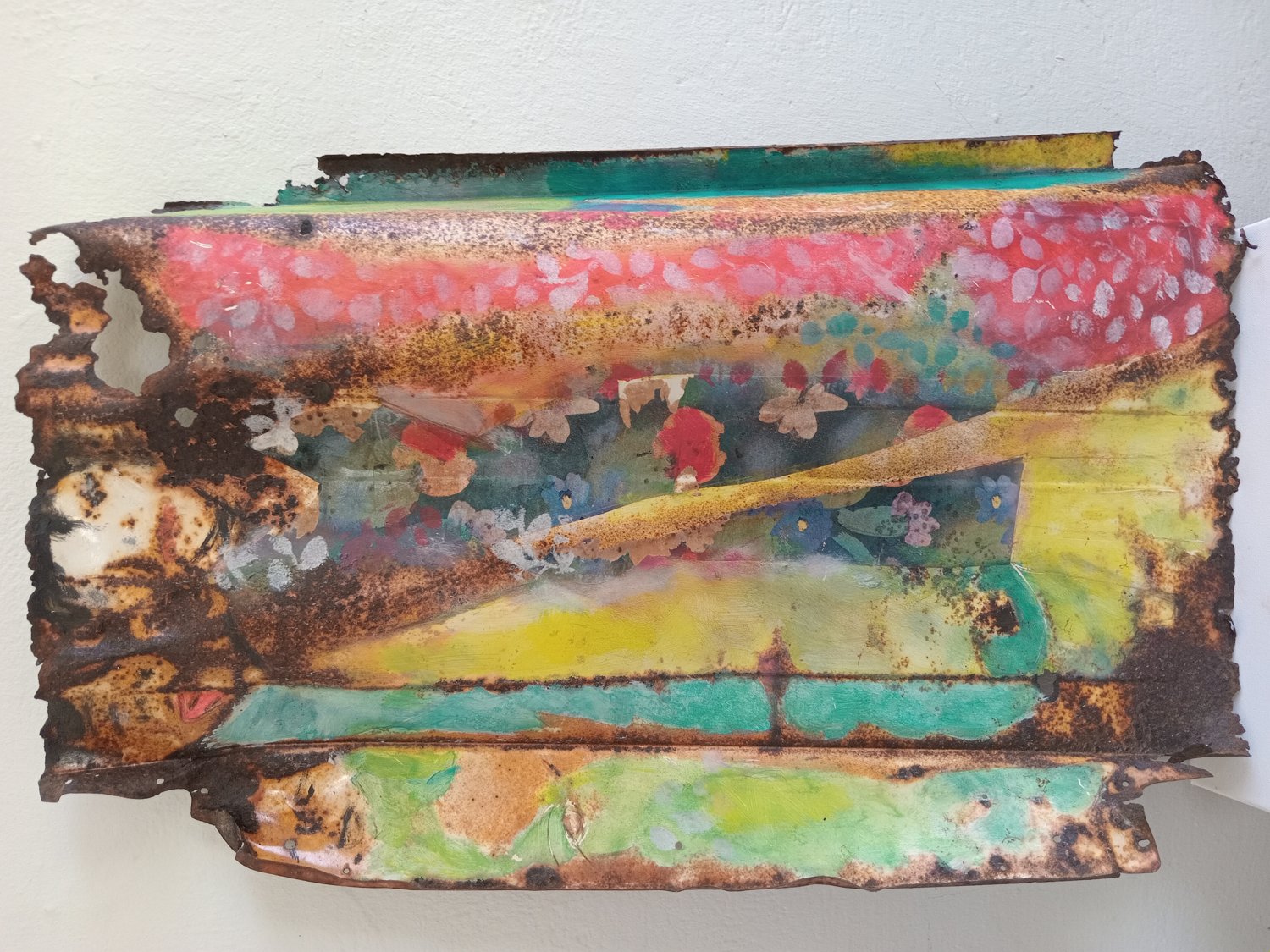
A figurative painting of the Aruban tradition of dressing up and gathering in Queen's Park at Christmas.
Watch the work →
A poem-and-painting on a large cotton canvas scented with salt and spices, made with her parents' old tools.
Watch the work →Survey data from 166 respondents on which cultural and creative practices they have engaged in and what they are most active in.
Aruba · n=166 · Top responses
WCL survey 2026. Multiple responses allowed.
Aruba · n=166 · Top responses
WCL survey 2026. Single most active practice selected.
Discussions were organised around six research domains. Below are key findings from each domain as raised by focus group participants on Aruba.
Cultural education is embedded in the kerndoelen at the primary level and in CKV at secondary level, covering painting, music, dance, theatre, visual arts, Papiamento and poetry.
Amateur arts are vibrant and widespread — music, dance, theatre, choirs, fashion and others — active in Cas di Cultura, Scol di Arte, centro di barios, churches and private homes.
Aruba has a rich living heritage: Dande, Dera gay, Carnival, Fiesta di cosecha, tambu, storytelling, miniature boat-making, forno di Aruba, piscamento, traditional foods, hospitality customs and much more.
Carnival is a meaningful part of the orange economy — costume making, headpieces, music, food and transport — but it depends heavily on informal labour, volunteer hours and rising private sponsorship.
Aruba has a plurality of cultural support providing a mix of public, private and international funding. Most funding is project-based; structural, long-term support is rare.
The creative economy is active and diverse — festivals, design, fashion, digital services, gastronomy, heritage events and more. Some participants described it as a "surviving field" of individual projects rather than a properly built industry.
Survey breakdowns, focus-group transcripts and the full WCL recommendations are included in the final report.
Download the report (PDF) →